Living in Nha Trang Long Term: Visa, Rent, Costs
Passports on Vietnam's exemption lists get 45 days visa-free, and an e-visa gives up to 90 days. For longer, a sponsor in Vietnam files an extension at US$10, or you hold a visa that qualifies for a residence card at US$145 to US$165. Rent, SIM and insurance follow.
On this page
- Which route fits your stay
- The border: 45 days or an e-visa
- Extending your stay
- Working or remote working
- The residence card
- Registering where you live
- Renting a home
- Bank, SIM and internet
- Health cover
- Getting around and daily costs
- Weather and flood season
- Your first three months
- All the guides in one place
- Common questions
Plan on 45 days if your passport is on one of Vietnam’s exemption lists, and up to 90 days with an e-visa. Anything longer needs a sponsor in Vietnam to file an extension, or a visa that qualifies for a residence card. Everything else in this guide, from rent to SIM to insurance, sits on top of that choice.
Which route fits your stay
| Route | Length | Official fee | Catch |
|---|---|---|---|
| Visa exemption | 45 days from entry | None stated | Only for listed passports |
| E-visa | Up to 90 days | US$25 single, US$50 multiple entry | You apply from abroad |
| Stay extension | Set by the immigration authority | US$10 | Your sponsor files it |
| Residence card | Replaces the visa | US$145, US$155 or US$165 | 5 working days to process |
| Business visa DN1 or DN2 | Up to 1 year | See the fees guide | For work with an organisation |
None of these is automatic, so match your passport and purpose to one before you book a one-way ticket.
The border: 45 days or an e-visa
The 45-day exemption comes in two lists: one for any purpose, another for tourism only. Check your country in the exemption guide. If Vietnam exempts your country on its own, the stamp gives you 45 days and you can ask for a visa or extension.
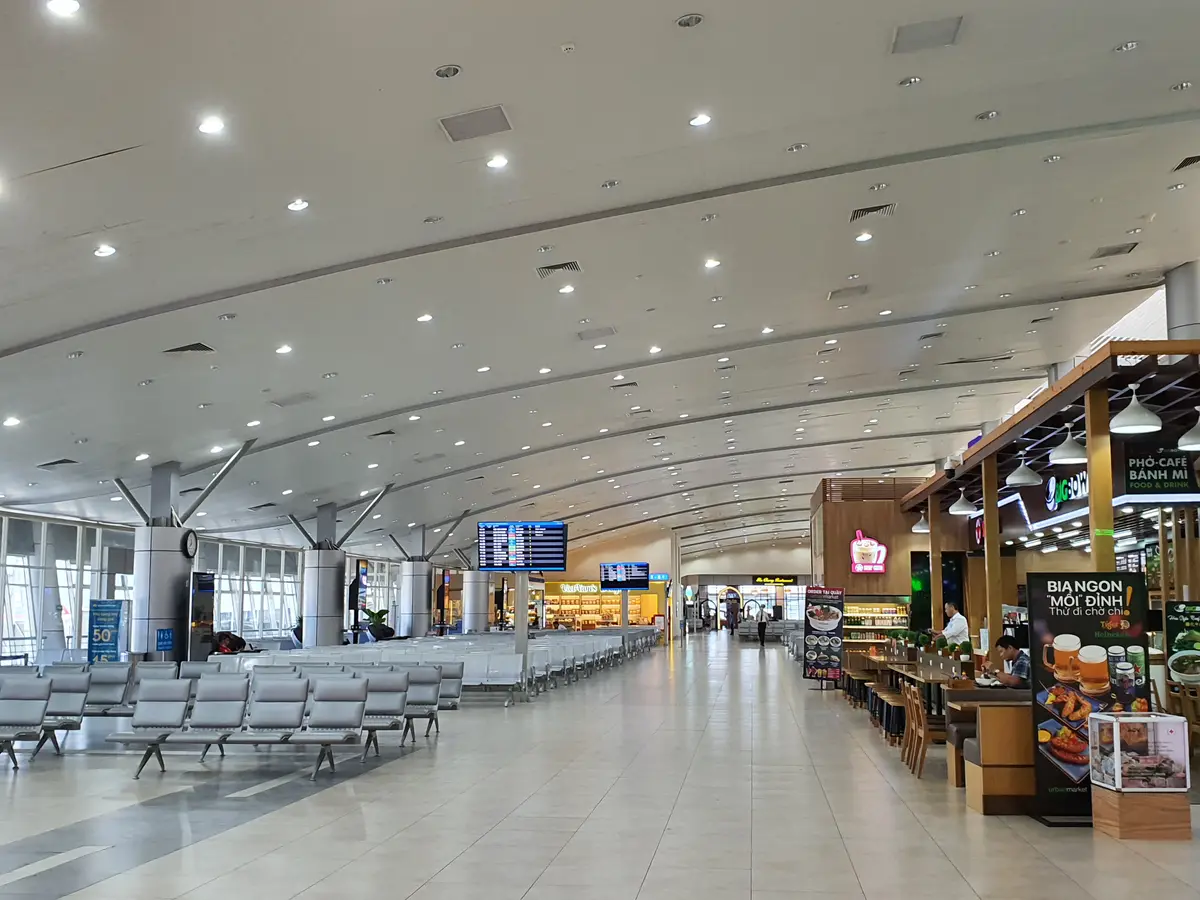
An e-visa is the better choice if you want up to 90 days. It costs US$25 for one entry or US$50 for multiple entries, and the fee is not refunded if you are refused. You must apply while still outside Vietnam, so sort it before you fly. See the e-visa guide.
Extending your stay
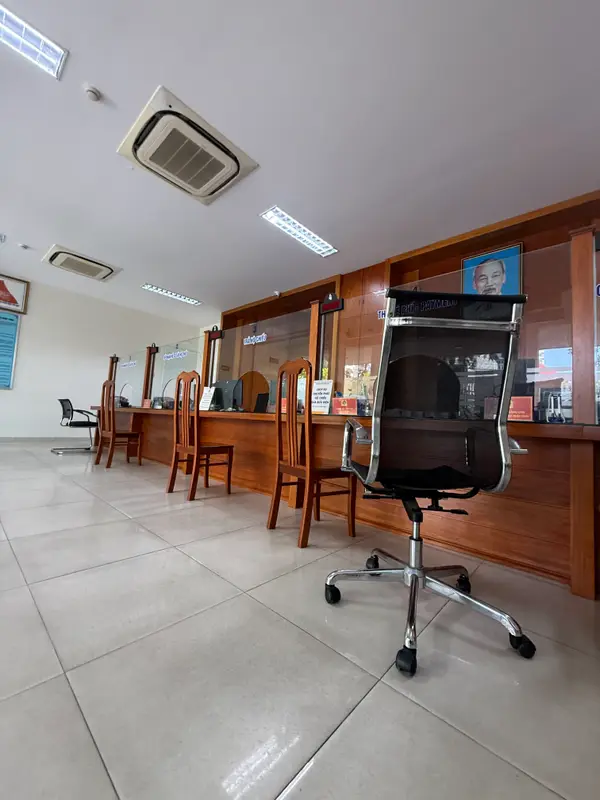
Only your sponsor can file an extension, so line one up before you need it. It takes up to 5 working days once the file is complete and costs US$10. In Nha Trang you go in person to the Immigration Management Division at 47 Ly Tu Trong, open Monday to Saturday morning except Tet and public holidays.
47 Ly Tu Trong, Nha Trang, Khanh Hoa 650000, Vietnam · Open in Google Maps (opens in a new tab)
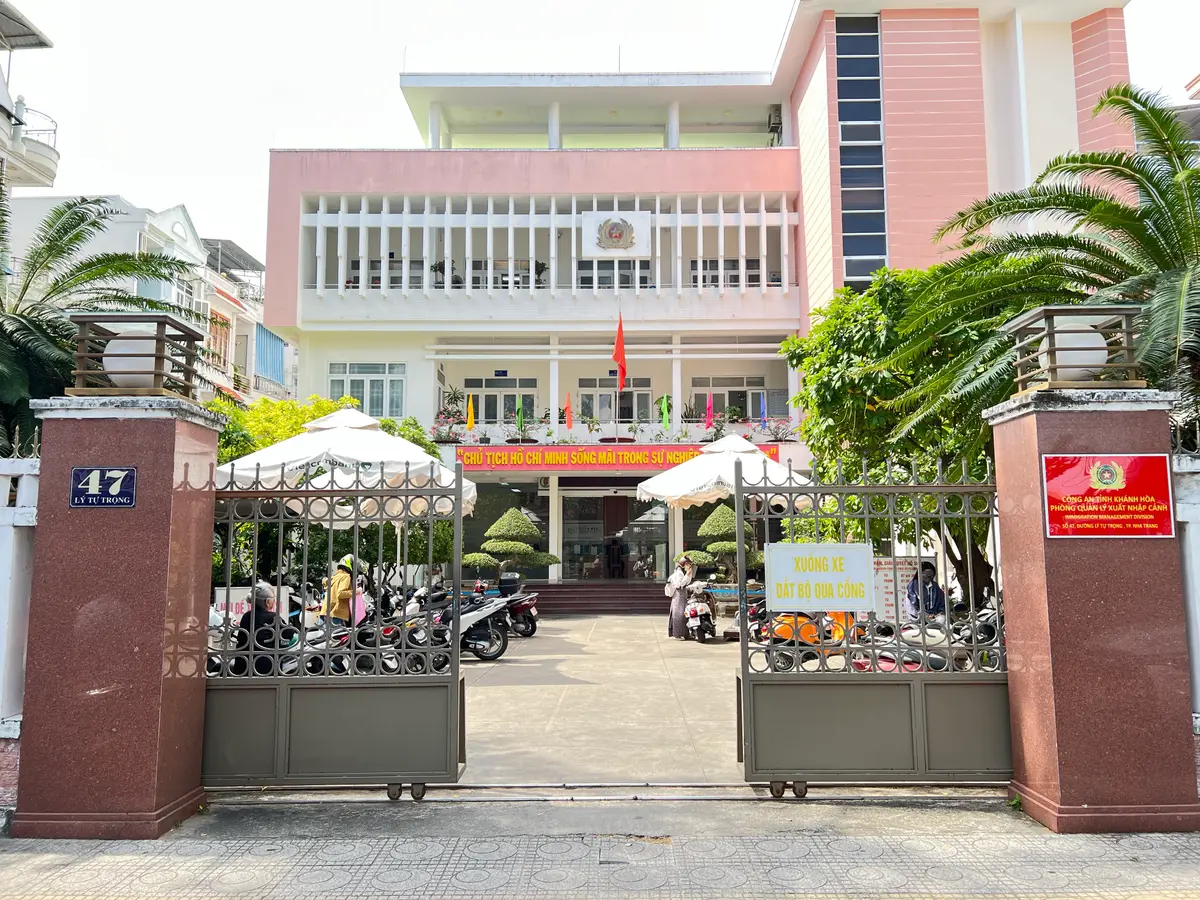
Do not let it lapse, because the overstay fines climb fast. These are for individuals:
| Days over | Fine |
|---|---|
| Under 16 | VND 500,000 to 2,000,000 |
| 16 to under 30 | VND 5,000,000 to 10,000,000 |
| 30 to under 60 | VND 10,000,000 to 15,000,000 |
| 60 to under 90 | VND 15,000,000 to 20,000,000 |
| 90 to under 180 | VND 20,000,000 to 25,000,000 |
See overstay fines and visa run.
Working or remote working
Your activities in Vietnam must match the purpose of your entry. A tourist visa is for tourism, so it does not cover a job here. For a local employer you want DN1, which is for working with an organisation, or DN2 for offering services. Both last up to 1 year.
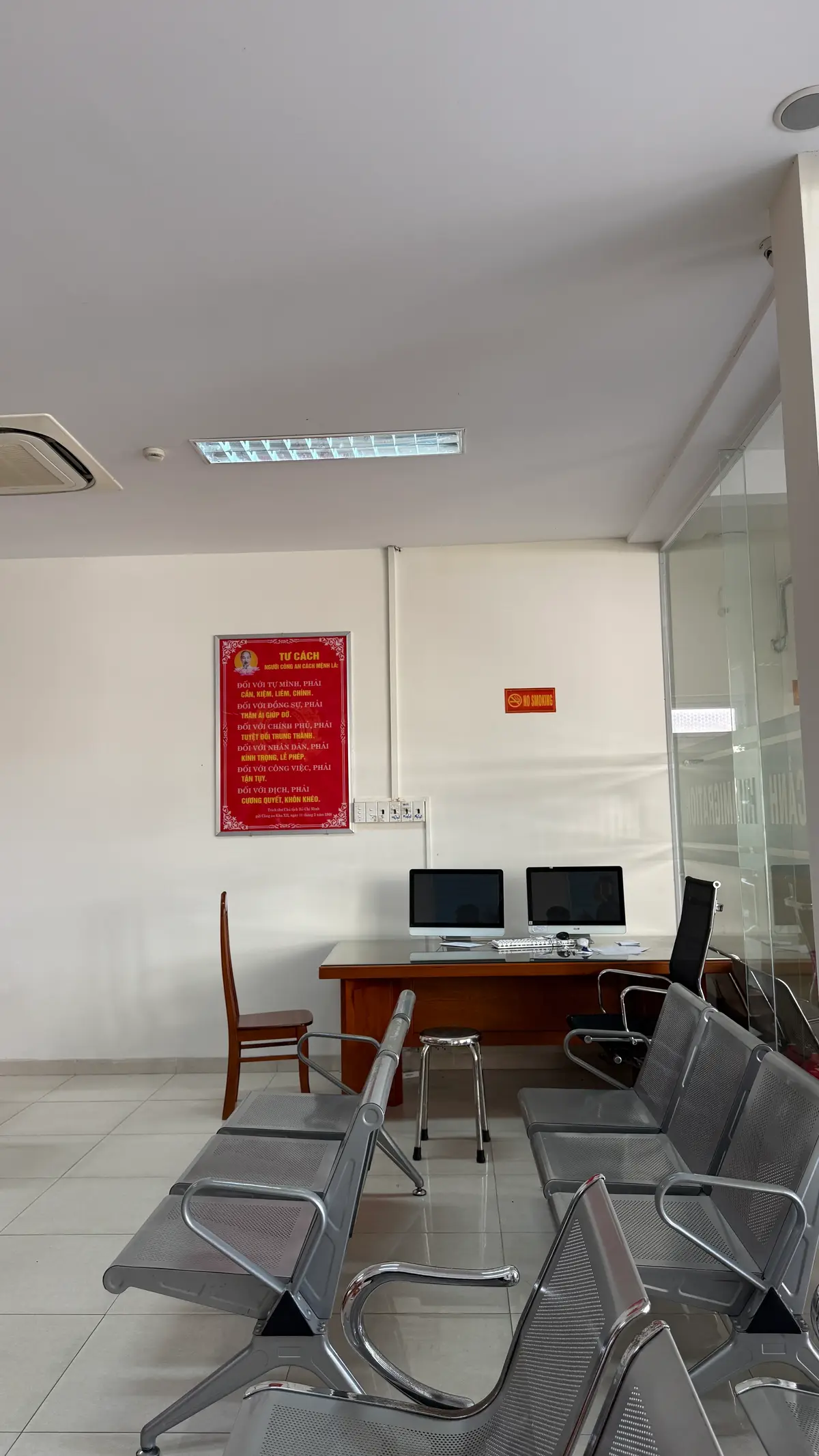
A foreign worker needs a work permit unless an exemption applies. One is for managers, executives, experts and technical staff here for under 90 days in a calendar year; another is for someone married to a Vietnamese citizen and living in Vietnam. Working without a permit or exemption certificate costs VND 15,000,000 to 25,000,000.
The rules do not say whether remote work for an employer abroad counts as working in Vietnam, so read remote work on a tourist visa first. On tax, 183 days or more in a year makes you a resident individual.
The residence card
A residence card is issued to a foreigner permitted to reside here for a fixed period, and it replaces the visa. Only some visa symbols qualify: LV1, LV2, LS, DT1, DT2, DT3, NN1, NN2, DH, PV1, LD1, LD2, TT, UD1 and UD2. DN1 and DN2 are not among them.
| Card validity | Government fee |
|---|---|
| Up to 2 years | US$145 |
| Over 2 to 5 years | US$155 |
| Over 5 to 10 years | US$165 |
The card must end at least 30 days before your passport does.
Registering where you live
Your accommodation declares your stay to the ward police, so hand over your passport when you check in. An electronic declaration is filed the moment you arrive. A paper declaration goes to the police within 12 hours. See residence registration.
Renting a home
Insist on a written lease, because the law requires one.
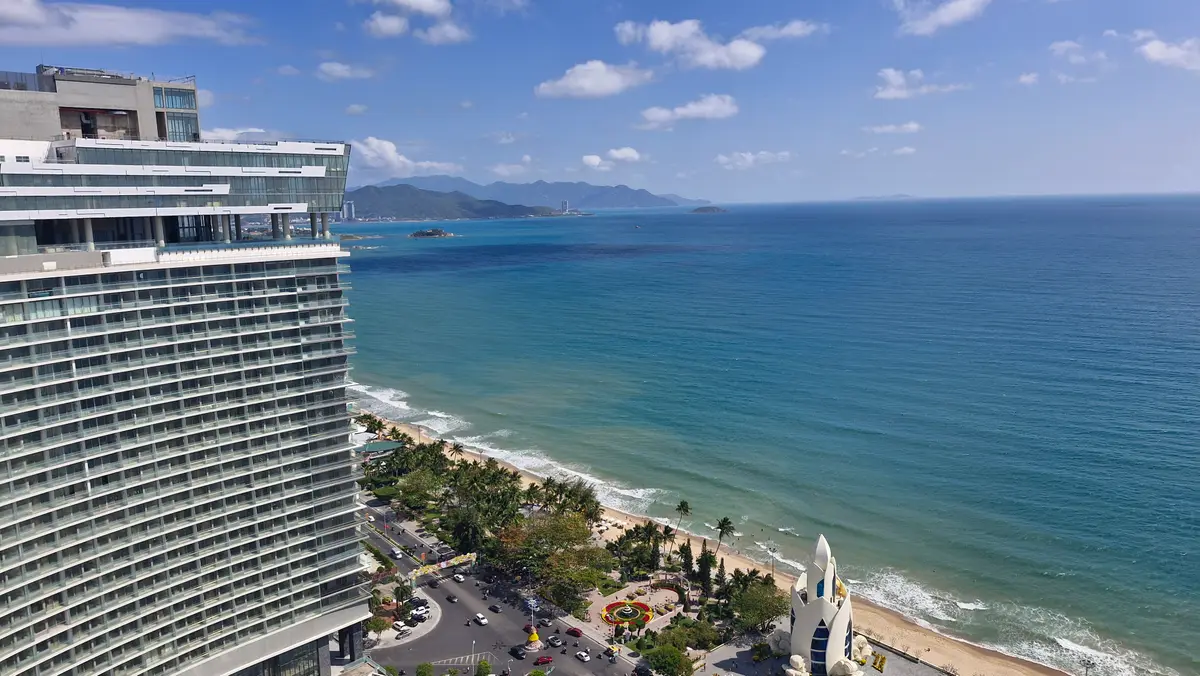
Electricity is billed in six tiers, starting at VND 1,984 per kWh for the first 50 kWh. The top tier is VND 3,460 per kWh from 401 kWh. A landlord who charges you above the regulated price is fined VND 20 to 30 million, so ask what rate you pay.
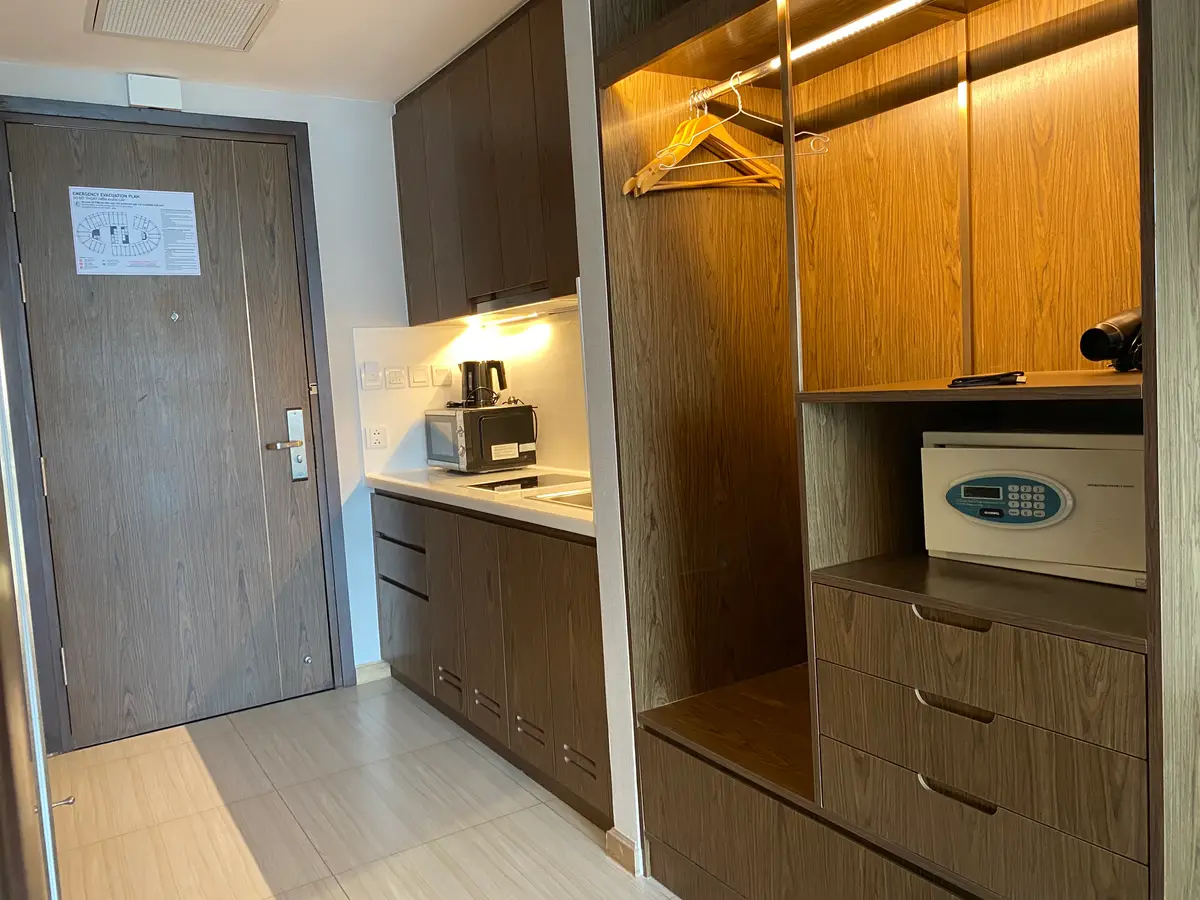
Bank, SIM and internet
For a bank account, bring your passport plus your entry visa or proof of visa exemption.
For a SIM, your passport must be valid for your stay. Viettel’s 30-day tourist plan with 5GB a day is VND 150,000.

Home internet is about VND 195,000 a month, from FPT or Viettel.

Health cover
Private inpatient cover is cheaper than most people expect: Pacific Cross CF1 is VND 1,420 thousand a year at ages 36 to 40. A basic check-up for men at Khanh Hoa General Hospital is VND 1,350,000.
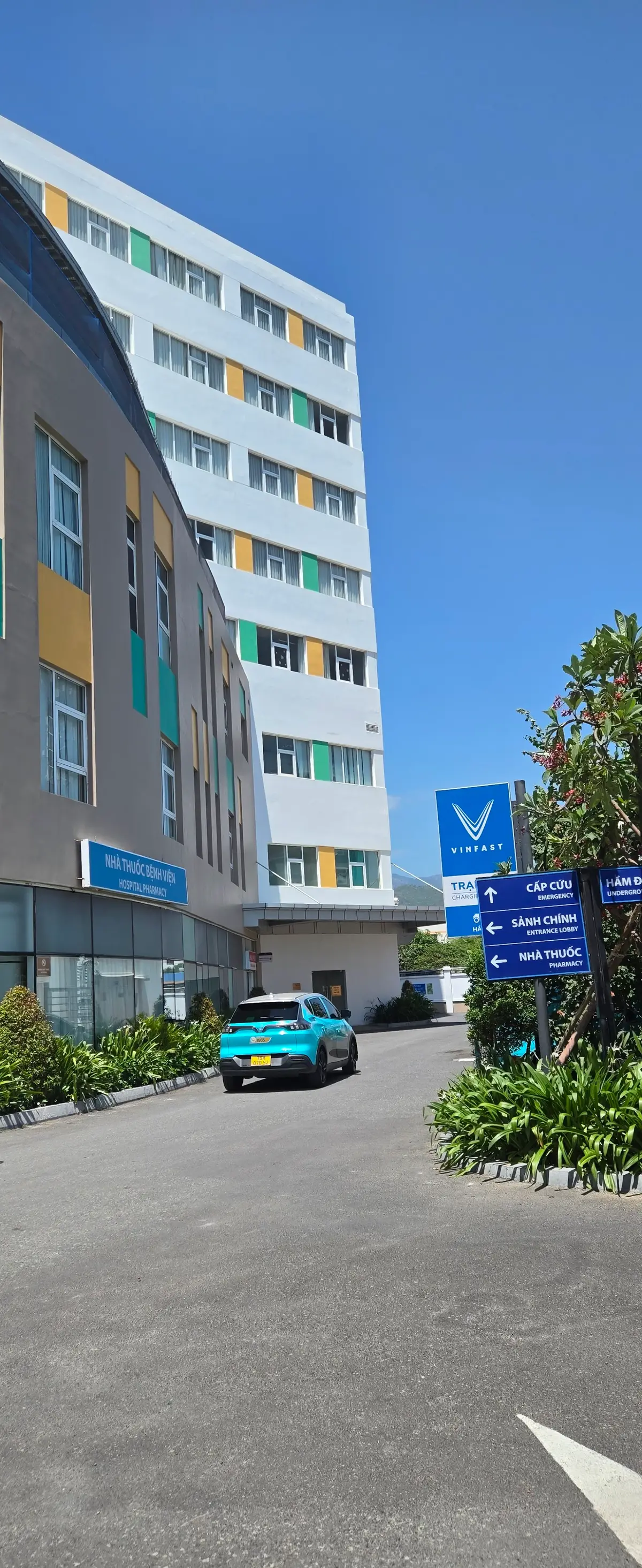
Save the emergency numbers.
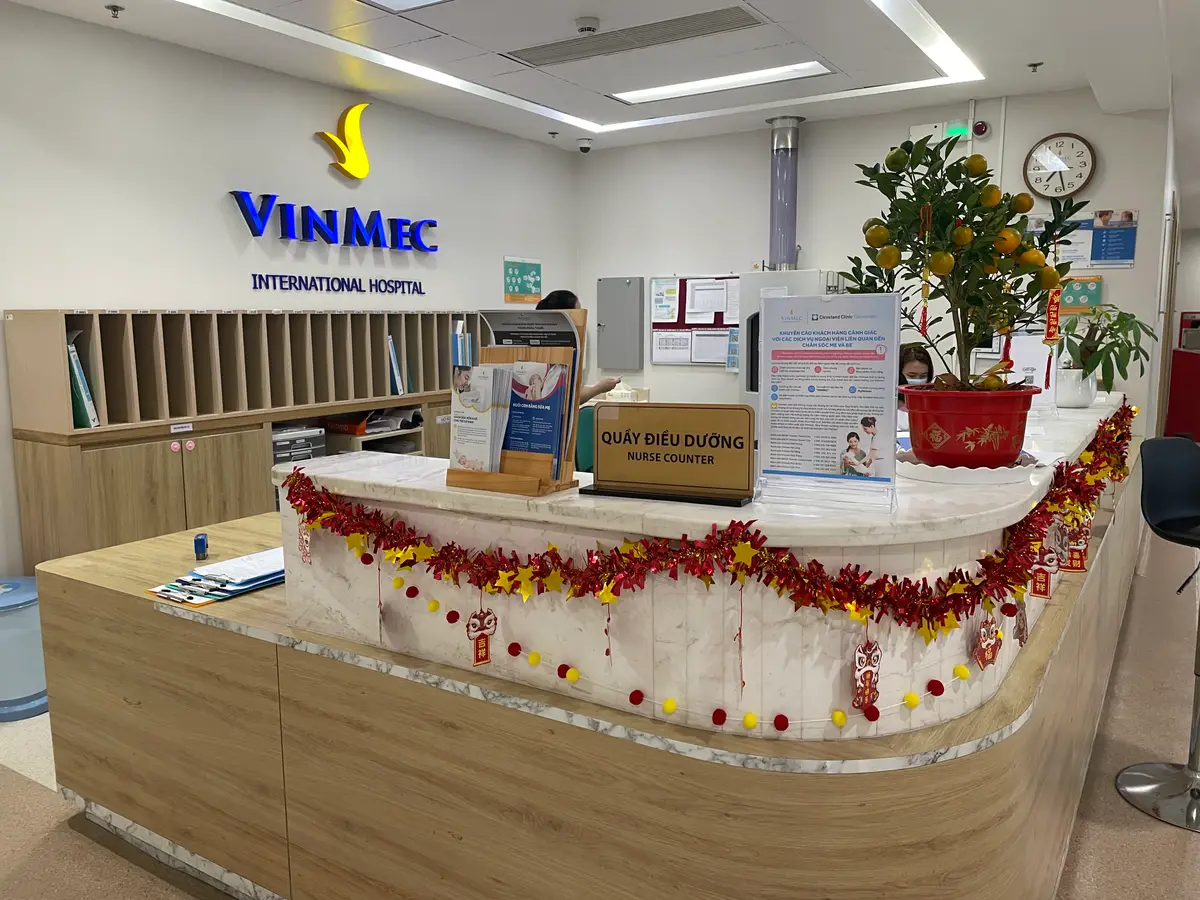
Getting around and daily costs
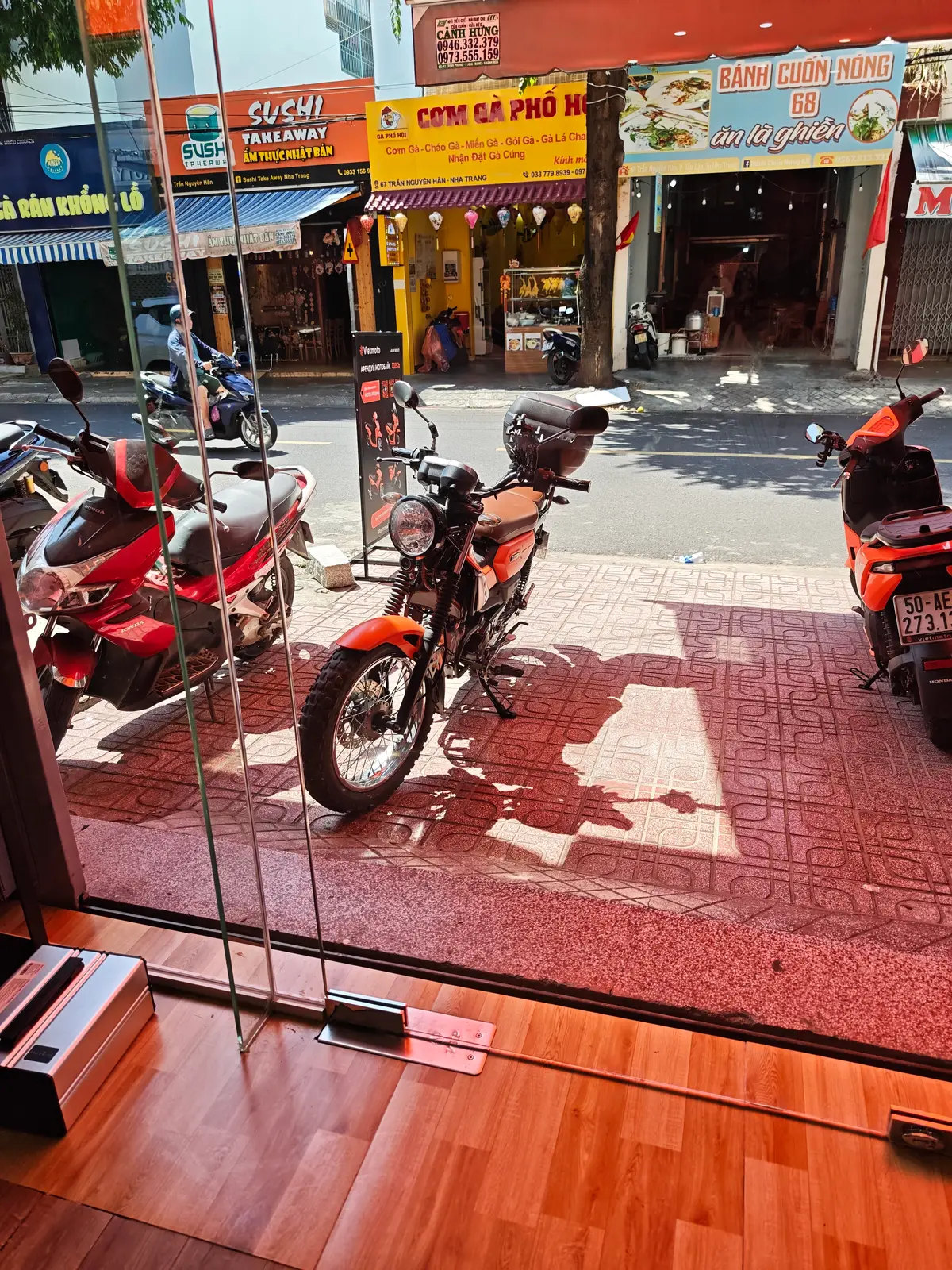
A rented Honda Vision starts at VND 150,000 a day, with a VND 2,000,000 deposit. See motorbike rental and driving licence.
For work space, a hot desk at Stockholm costs VND 2,700,000 a month; see coworking.
Weather and flood season
Temperatures stay between 24 and 29 degrees C all year, so the real planning point is rain. October brings 312.3 mm and November 381.6 mm, with 17 to 18 rainy days each. The river flood season runs from 1 September to 15 December.
Floods here are serious: they killed 14 people in Khanh Hoa, and water reached two metres in places in Tay Nha Trang Ward. Read best time to visit and storm and flood season before you sign a lease that runs from October to December.
Your first three months
Check your passport against the 45-day lists or apply for an e-visa before you fly. On arrival, give your passport to your accommodation. Decide before day 45 whether you need an extension, and check the permit rules first if you plan to work. The first week checklist comes next.
All the guides in one place
- Visas: visa types, exemption, e-visa, extension, overstay fines.
- Residence: residence card, registration, police check.
- Money: bank account, SIM, social insurance, tax for remote workers.
- Home: find an apartment, rental contract, deposit, laundry, gyms.
- Family and pets: international schools, kindergartens, having a baby, bringing a pet, vets.
- Buying and costs: buying an apartment, cost of living.
- Arrival: Cam Ranh Airport to Nha Trang, train station.
- Day trips: Nha Trang in 3 days, Diep Son island.
Photos (13)
- Michael Hoang
- Evgenii Lukashevich
- Ak
- Khanh Dinh
- KJ AHN
- iFruit iFruit
- YaYa
- ARTHUR GEO
- Steel
- tuong vi
- Ngoc Thinh Tran
- Boom Hung
- Khoa Tran
Not confirmed: Remote work for a foreign employer: the law does not say if it counts as working here, so ask an immigration lawyer. Extension approval: decided case by case, so ask the Khanh Hoa immigration division before relying on it.
Common questions
How long can I stay in Nha Trang without a visa?
The listed passports get 45 days from entry, for any purpose or for tourism only, depending on the list.
Can I stay 6 months on a tourist entry?
An e-visa lasts up to 90 days. A longer stay needs an extension filed by a sponsor in Vietnam, or another visa.
What does an extension cost?
Each temporary-stay extension costs US$10.
Do I need a residence card?
A card is open to foreigners on the listed visa symbols, and it costs US$145, US$155 or US$165 by validity.
Do I have to register my address?
Yes, the accommodation declares your stay to the ward police, online at once or on paper within 12 hours.
When does the rainy season start?
On the standard monthly data, rainfall rises in September and peaks in October and November.
Read next
Sources and reader comments
Official legal texts (Gazette, government portals):
- Resolution 44/NQ-CP (2025) — Công báo PDF (opens in a new tab)
- evisa.gov.vn homepage (rendered) — General section: eligibility, validity, fee, border gates (opens in a new tab)
- Law 47/2014/QH13, Article 35 (signed PDF, Government portal) (opens in a new tab)
- Circular 28/2026/TT-BTC — signed PDF (Government Gazette digitally-signed copy) (opens in a new tab)
- Law 118/2025/QH15 (Điều 2 amends Law 47/2014/QH13) — Công báo PDF (opens in a new tab)
Show 33 more sources
- Resolution 229/NQ-CP (2025) — Công báo PDF (opens in a new tab)
- Law 47/2014/QH13 as consolidated, Văn bản hợp nhất 62/VBHN-VPQH of 23 March 2026 (incorporates 118/2025/QH15), Articles 3 and 33 — official PDF, scanned (opens in a new tab)
- Circular 87/2026/TT-BCA, Official Gazette page + signed PDF (full text; replaces Circular 53/2016/TT-BCA) (opens in a new tab)
- Circular 02/2022/TT-BXD, QCVN 02:2022/BXD (natural-condition data for construction), Official Gazette PDF part 7 (opens in a new tab)
- Law 23/2023/QH15 amending Law 47/2014/QH13 — Công báo PDF (opens in a new tab)
- evisa.gov.vn FAQ page (rendered) — validity/passport buffer, in-Vietnam restriction, 1-year advance window, border-gate exit rule (opens in a new tab)
- Ministry of Public Security public service portal, procedure 1.003460 (Cấp thẻ tạm trú cho người nước ngoài tại Việt Nam tại Công an cấp tỉnh) (opens in a new tab)
- Law 51/2019/QH14 amending Law 47/2014/QH13 — Công báo PDF (opens in a new tab)
- Ministry of Public Security public service portal, procedure 1.001146 (Gia hạn tạm trú cho người nước ngoài) (opens in a new tab)
- Khanh Hoa Provincial Police portal - notice of the Immigration Management Division, 27/06/2025 (opens in a new tab)
- Tay Ninh Provincial Police – overstay fine bands, deportation and organisation-fine clauses under Decree 282/2025/NĐ-CP, Art. 21 / Art. 5(2) (opens in a new tab)
- Labor Code 45/2019/QH14 — Công báo PDF (opens in a new tab)
- Decree 219/2025/NĐ-CP (foreign workers in Vietnam) — signed PDF, Cổng TTĐT Chính phủ (opens in a new tab)
- Decree 283/2026/NĐ-CP (administrative penalties, labor/social insurance) — signed PDF, Cổng TTĐT Chính phủ (opens in a new tab)
- Official Gazette No. 37 (22/01/2026) signed PDF - Law No. 109/2025/QH15, Personal Income Tax Law (opens in a new tab)
- People's Police University (dhcsnd.edu.vn) — full verbatim reproduction of Điều 2 of Luật 118/2025/QH15 (all 17 points amending Law 47/2014/QH13) (opens in a new tab)
- Law on Housing No. 27/2023/QH15 — Official Gazette PDF, Công báo Số 39+40, 08-01-2024 (part 2 of 2; Chương X 'Giao dịch về nhà ở', Điều 159-198 — contains every article this research cites) (opens in a new tab)
- Quyết định số 1279/QĐ-BCT — Hệ thống văn bản Chính phủ (vanban.chinhphu.vn) (opens in a new tab)
- Nghị định số 133/2026/NĐ-CP — Công báo điện tử nước CHXHCN Việt Nam (opens in a new tab)
- Circular 17/2024/TT-NHNN on opening and using payment accounts - Official Gazette PDF (opens in a new tab)
- Chính phủ (chinhphu.vn) — primary signed PDF of Nghị định 163/2024/NĐ-CP, detailing several articles and implementation measures of the Law on Telecommunications (opens in a new tab)
- Circular 02/2022/TT-BXD, QCVN 02:2022/BXD (natural-condition data for construction), Official Gazette PDF part 3 (opens in a new tab)
- Circular 02/2022/TT-BXD, QCVN 02:2022/BXD (natural-condition data for construction), Official Gazette PDF part 8 (opens in a new tab)
- Decision 18/2021/QĐ-TTg of 22/4/2021 on disaster forecasting, warning, communication and disaster risk levels (full text, Ministry of Agriculture and Environment site) (opens in a new tab)
Company and press pages (not official sources):
- Viettel Telecom (vietteltelecom.vn) - "Buy Viettel eSIM in Vietnam: Price, How to Buy" (official carrier page) (opens in a new tab)
- FPT Telecom, official personal internet page with price table "09/2026" and FAQ (fpt.vn/internet) (opens in a new tab)
- Viettel, plan detail NETVT01_T (viettel.vn/internet) (opens in a new tab)
- Pacific Cross Vietnam — Care First Program page (own site) (opens in a new tab)
- Khanh Hoa General Hospital — Service Centre price and insurer page (own site, Vietnamese) (opens in a new tab)
- VIETMOTO rental page (vietmoto.vn) (opens in a new tab)
- Stockholm Bistro & Co-working, Co-working page (stockholm.vn) (opens in a new tab)
- Dai bieu Nhan dan - 'Painful images of the historic floods in Khanh Hoa' (22/11/2025) (opens in a new tab)
- VOV - 'Russian tourists rescued after being trapped in Nha Trang floods' (18/11/2025) (opens in a new tab)
General information checked against the sources listed above. Prices, opening hours and other details change; confirm them with the provider before you act. See how guides are checked.
Spotted an error? Report it.
Comments (0)
Be the first to ask about this topic.